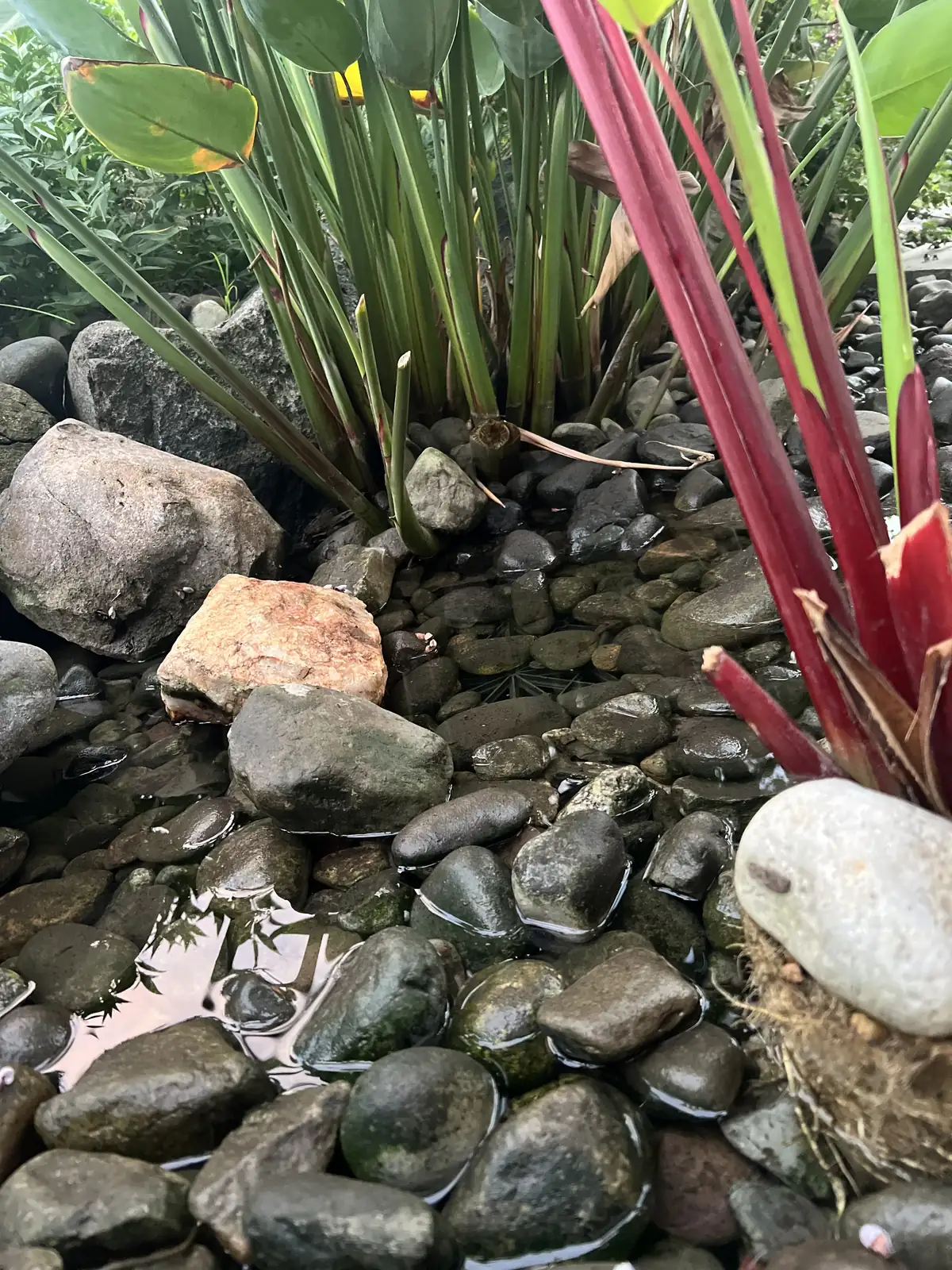
Aquatic plants in a pond ecosystem including water lilies and marginal plants

Aquatic Plants for Ponds in Delaware

Aquatic plants serve a critical ecological function in pond ecosystems -- they compete with algae for excess nutrients, oxygenate water, and provide habitat for beneficial organisms. Understanding which plants to use and when is key to a healthy, beautiful pond.

Why Aquatic Plants Are Essential for Pond Health

Every pond is a battlefield between plants and algae, and they're fighting over the same resource: nutrients. Nitrogen and phosphorus enter your pond through fish waste, decomposing organic matter, fertilizer runoff, and rainwater. When those nutrients go unchecked, algae wins. The water turns green, string algae coats every surface, and the pond becomes an eyesore.

Aquatic plants are the frontline defense and the most effective long-term algae control strategy available. Hardy plants starve algae growth by competing for excess nutrients in the spring. When these plants are actively growing and consuming nitrogen and phosphorus, there's less available for algae to feed on. The result is clearer water achieved through biological balance rather than chemical treatment.

In summer months, when algae pressure peaks due to warm temperatures and longer daylight hours, tropical aquatic plants are used to assist the nutrient battle. Tropicals like water hyacinth and water lettuce are voracious nutrient consumers that supplement the hardy plants' filtration capacity during the toughest months of the year.

This seasonal cycling of hardy and tropical plants creates a year-round nutrient management system that is the foundation of ecosystem pond health. It's why the ClearWater Guarantee depends on proper plant management alongside mechanical filtration.

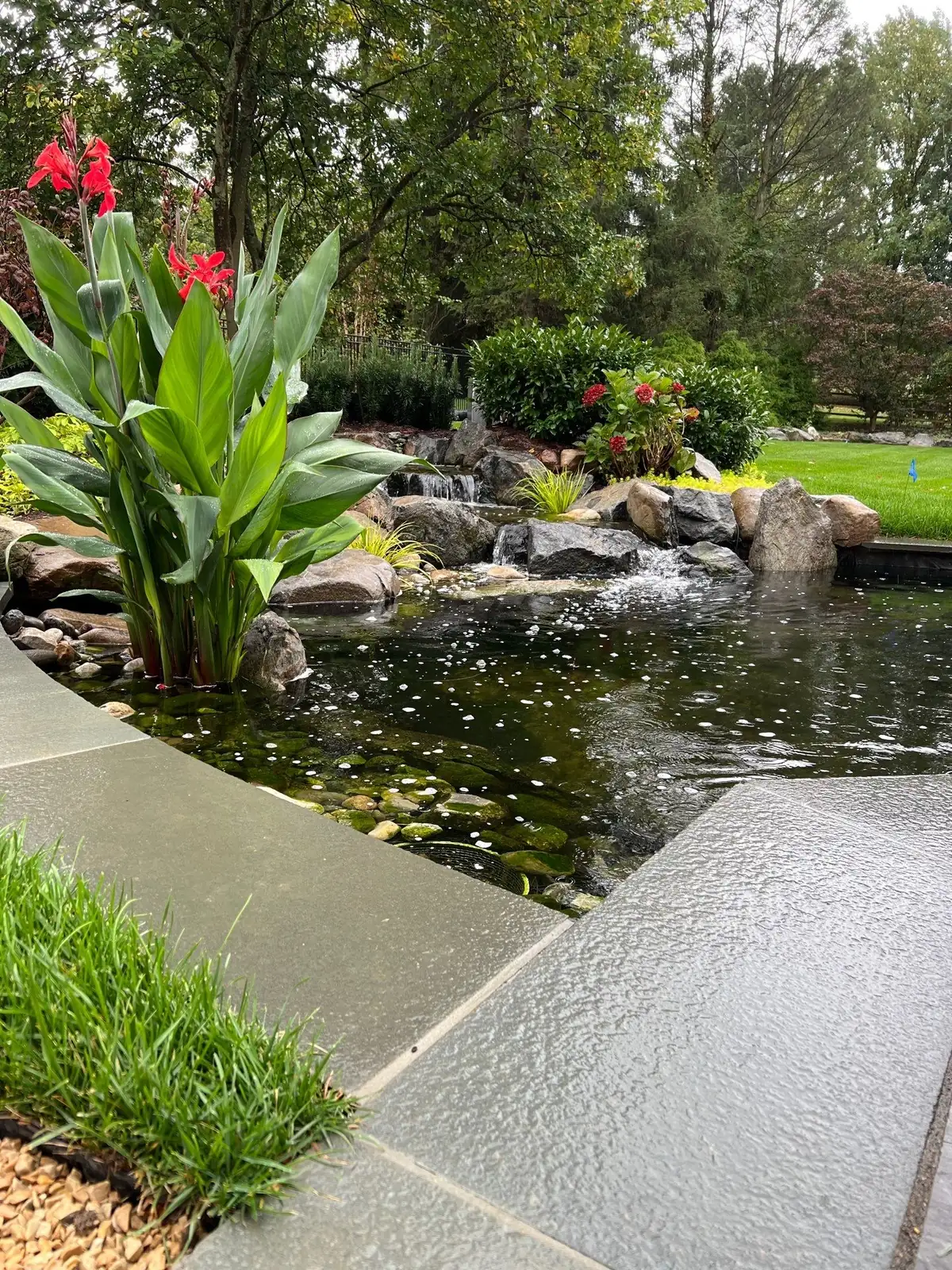
Water lilies and oxygenating plants in healthy pond ecosystem
Seasonal aquatic plant management during spring pond maintenance

The Seasonal Plant Cycle in Delaware

Spring (March-May): Hardy plants begin emerging as water temperatures rise above 50 degrees F. This is the most vulnerable window for algae because hardy plants haven't reached full growth yet but nutrients are becoming available. Early spring is when professional plant management makes the biggest difference, ensuring divisions, repositioning, and fertilizing happen at the right time.

Summer (June-August): Hardy plants are at peak growth. Tropical floaters are added to supplement nutrient uptake during the highest-demand period. Water lilies bloom. Marginals reach full height. This is when the pond looks its best and the biological filtration is operating at maximum capacity.

Fall (September-November): Tropicals are removed before first frost during fall netting service. Hardy plant foliage is cut back to prevent winter decay. Water lilies are pruned to the crown. The goal is removing all above-water plant material that would otherwise decompose in the pond over winter.

Winter (December-February): Hardy plants are dormant beneath the surface. Their root systems remain alive and will regenerate in spring. No plant management is needed during winter shutdown beyond ensuring dormant crowns aren't exposed to air above the ice line.

Professional Aquatic Plant Management

Proper plant selection, placement, and seasonal management are integral to Rock Water Ponds' maintenance services and new construction projects.

01

Match the plant palette to the pond.

Plant recommendations start with the pond's size, depth, sun exposure, fish population, circulation, and the look you want around the water. A small entry feature, koi pond, and large ecosystem pond each need a different planting balance.

02

Place plants where they can do real work.

Marginals are positioned where they can intercept nutrients near edges and inflow points, lilies are spaced for usable surface shade, and oxygenators are placed where circulation can move their benefits through the pond.

03

Adjust the planting plan through the season.

Maintenance Membership visits can include spring divisions, summer tropical additions, fall cutback, and winter preparation. Plant health is checked as water temperature, algae pressure, and fish activity change.

Aquatic Plant FAQ

Yes, and the science is straightforward. Algae and plants compete for the same nutrients (nitrogen and phosphorus). When plants consume those nutrients faster than algae can, algae growth is suppressed. A well-planted pond with 60-70% surface coverage from lily pads, active marginals, submerged oxygenators, and summer tropical floaters creates biological conditions where algae cannot gain a foothold. This is the foundation of the ClearWater Guarantee.

Koi do nibble on some aquatic plants, particularly soft-leaved varieties and new growth. Hardy water lilies are generally koi-resistant once established. Submerged oxygenators may need protection or frequent replacement in heavily stocked koi ponds. We select koi-compatible plant species and use protective planting baskets when needed. In koi ponds, we may rely more heavily on mechanical filtration and less on plants than in a standard ecosystem pond.

Hardy plants are best planted in late spring (May) after water temperatures are consistently above 55 degrees F. This gives them the full growing season to establish root systems. Tropical floaters are added after the last frost date (typically late April to mid-May in Delaware). Fall is not an ideal planting time for aquatic plants as they won't establish before dormancy. New construction projects include initial planting as part of the build completion.

The general guideline is to cover 60-70% of the pond surface with floating-leaf plants (mainly water lilies) and populate the margins with 1 plant per linear foot of shoreline. Submerged oxygenators are typically added at 1 bunch per 2 square feet of pond surface. The exact numbers depend on your pond's size, depth, sun exposure, and filtration system capacity. We provide a custom planting plan during consultation.

Keep Your Fish Healthy This Summer

Aquatic plants provide shade and oxygenation, but summer heat creates additional challenges for koi and goldfish. Read our guide to protecting pond fish in summer heat for the full checklist Delaware pond owners need from June through August.

Ready to Plant Your Pond for Success?

The right plants make the difference between a murky pond and crystal clear water. Get expert guidance for your water feature. Serving Delaware and SE Pennsylvania.