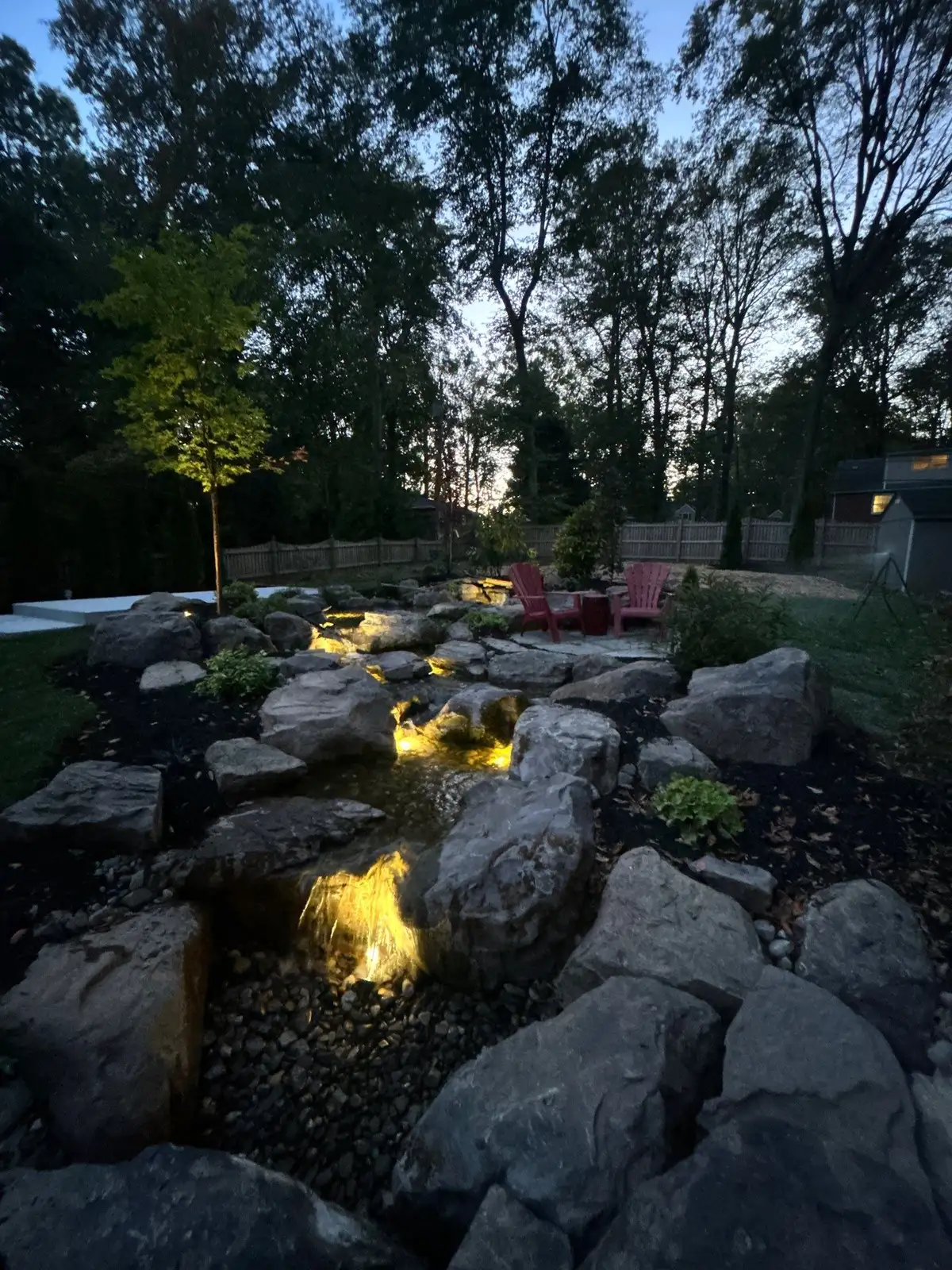
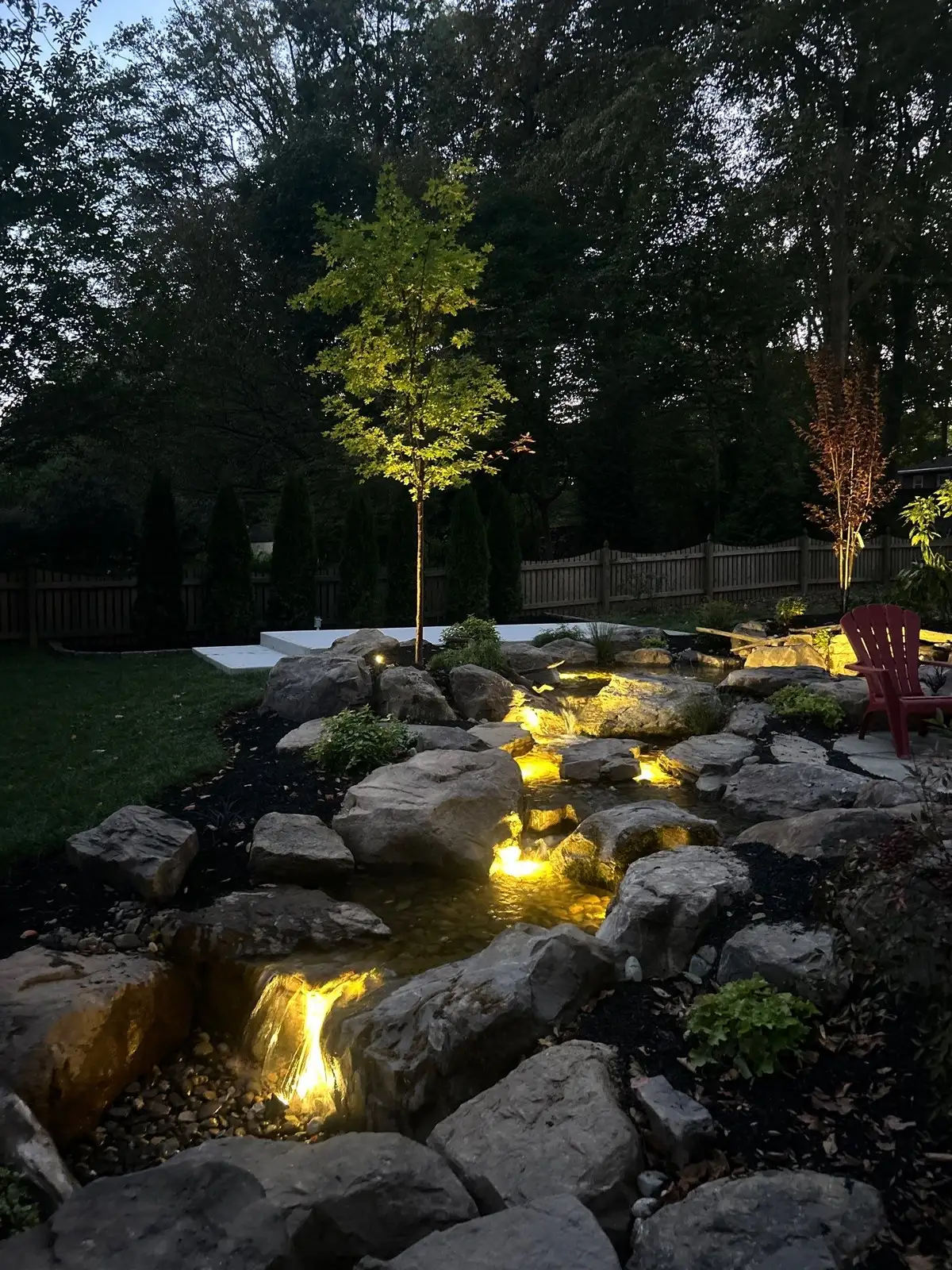
Natural swim pond with crystal clear water and surrounding landscape in Delaware

Natural Swim Pond Construction in Delaware

Natural swim ponds are engineered water features that combine the beauty of a natural pond with commercial pool-equivalent safety standards -- no harsh chemicals required. Swim in crystal clear water filtered by nature, not chlorine.

What Is a Natural Swim Pond?

A natural swim pond is a purpose-built water feature designed for recreational swimming that uses biological filtration instead of chemical treatment to maintain water quality. Unlike traditional chlorinated pools, swim ponds rely on carefully engineered plant zones, gravel filters, and beneficial bacteria to achieve water clarity that meets or exceeds public health standards.

The concept originated in Europe in the 1980s and has matured into a proven technology with over 20,000 natural swim ponds in operation worldwide. Rock Water Ponds brings this expertise to Delaware and SE Pennsylvania, building swim ponds that look like natural water features while performing like commercial aquatic facilities.

The result is a backyard swimming experience that's gentle on skin, free of chemical odors, visually stunning, and ecologically positive. Natural swim ponds attract dragonflies and songbirds, support aquatic plant life, and become more beautiful as they mature, unlike conventional pools which look their best on day one and deteriorate from there.

  • No chlorine, bromine, or harsh chemicals
  • Biological filtration through aquatic plant zones
  • Engineered to commercial pool safety standards
  • Proper electrical bonding and grounding throughout
  • Natural beauty that improves with age
  • Lower long-term operating costs than conventional pools
Natural water feature with LED lighting demonstrating swim pond design possibilities

Engineered for Safety

Every Rock Water Ponds swim pond is engineered for proper electrical bonding and grounding to eliminate shock risk, meeting recognized parameters for safe equipment installation and circuit protection.

Electrical Safety

All underwater and near-water electrical components are installed with proper bonding and grounding per NEC standards. GFCI protection on every circuit. Equipment housings are bonded to a common grounding grid. This eliminates the risk of electrical shock that improperly installed water features can present.

Water Quality

The biological filtration system maintains water quality through a multi-stage process: mechanical pre-filtration removes suspended particles, plant regeneration zones consume excess nutrients, gravel biofilters host beneficial bacteria, and UV treatment provides a final sterilization pass. The result is water that meets or exceeds recreational water quality standards.

Structural Integrity

Swim ponds are built with commercial-grade EPDM liners, reinforced edges, and engineered slopes. Entry and exit points feature non-slip natural stone. Depth transitions are gradual with no sudden drop-offs. The entire structure is designed for years of recreational use without degradation.

Aquatic plants in natural filtration zone of swim pond

How Biological Filtration Replaces Chemicals

Traditional pools use chlorine to kill bacteria. Natural swim ponds use a different strategy: they create conditions where harmful bacteria cannot thrive in the first place. The system works through nutrient competition and biological balance.

The regeneration zone is a planted shallow area adjacent to the swimming zone. Aquatic plants in this zone, including water lilies, irises, rushes, and submerged oxygenators, actively consume the nitrogen and phosphorus that would otherwise feed algae and harmful bacteria. When these nutrients are consumed by plants, there's nothing left for problematic organisms to feed on.

Gravel biofilters host colonies of beneficial nitrifying bacteria that convert ammonia into nitrate, which plants then absorb. This biological nitrogen cycle is the same process that makes ecosystem ponds work, just scaled and optimized for swimming.

Mechanical filtration removes particles and debris before they can decompose. Combined with surface skimming and proper circulation design, the water stays clear and fresh without chemical intervention.

The overall system is complemented by the ClearWater Guarantee when paired with a Maintenance Membership, ensuring your swim pond water stays crystal clear throughout the swimming season.

Natural Swim Ponds vs. Conventional Pools

Here's how natural swim ponds compare to traditional chlorinated pools on the factors that matter most to homeowners.

Health & Comfort

No red eyes, no dried-out skin, no chemical smell on your hair and swimsuit. Natural swim ponds are gentle on sensitive skin and ideal for families with children who swim frequently. The water feels softer and more pleasant than chemically treated pool water. Many families with chlorine sensitivities switch to natural swim ponds for health reasons.

Operating Costs

After initial construction, natural swim ponds cost significantly less to operate than conventional pools. No chemical purchases ($500-$1,500/year for pools), lower electrical consumption (no chemical dosing systems), and no liner bleaching or chemical damage to equipment. Annual maintenance costs are comparable to pool maintenance, but with no chemical expense.

Environmental Impact

Conventional pools are environmental negatives: they consume chemicals, waste water during backwashing, and contribute chlorinated runoff. Natural swim ponds are environmental positives: they create habitat, support pollinators, recharge groundwater, and sequester carbon through plant growth. Your swim pond actively improves your property's ecological footprint.

Property Value & Aesthetics

A natural swim pond is a landscape feature that enhances your property year-round, not just during swimming season. In winter, it becomes a reflective water garden. In fall, the planted margins turn golden. Conventional pools are empty concrete holes for 6 months of the year in Delaware. Swim ponds are four-season features that increase property value through beauty and uniqueness.

The Natural Swim Pond Design Process

Building a natural swim pond is a more involved process than a standard ecosystem pond or conventional pool. The engineering requirements for safe swimming, proper filtration capacity, and long-term biological stability demand careful planning. Here's how we approach every swim pond project.

Site assessment evaluates your property's terrain, sun exposure, soil type, water table depth, and proximity to trees. These factors determine the optimal size, orientation, and filtration design for your specific location.

Custom design balances the swimming zone with the regeneration zone. The general guideline is a 1:1 ratio of swimming area to planted area, though advanced filtration systems can reduce the planted zone requirement. We design the transitions, entry points, depth profile, and aesthetic elements to match your vision.

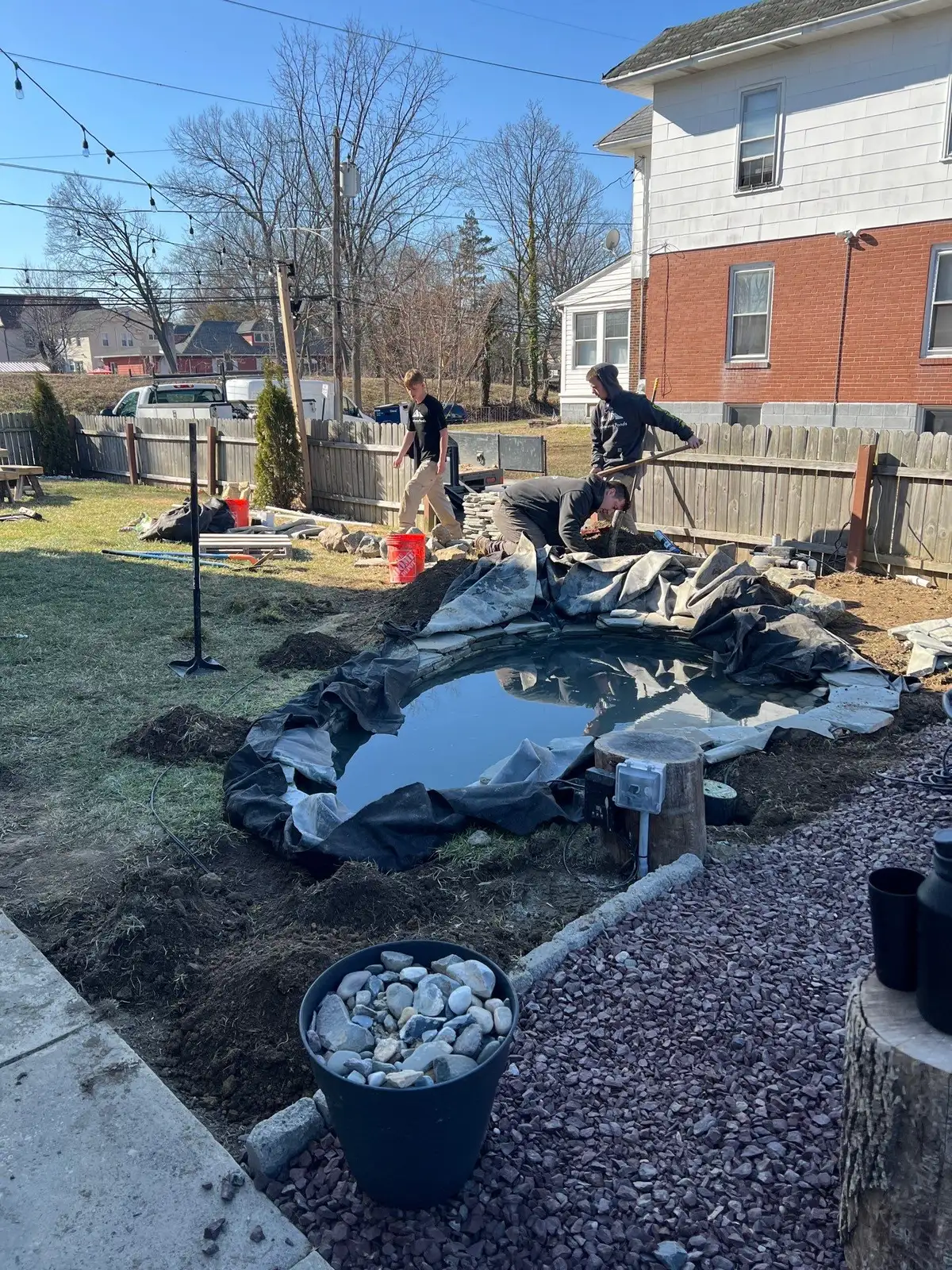
Construction follows the same meticulous standards as our pond construction projects, with additional attention to electrical bonding, liner reinforcement, and filtration plumbing. Most swim pond projects take 10-21 days depending on size and complexity.

Commissioning includes filling, plant installation, biological inoculation, water testing, and a guided walkthrough of every system component. We monitor water quality closely during the first season to ensure the biological system establishes properly.

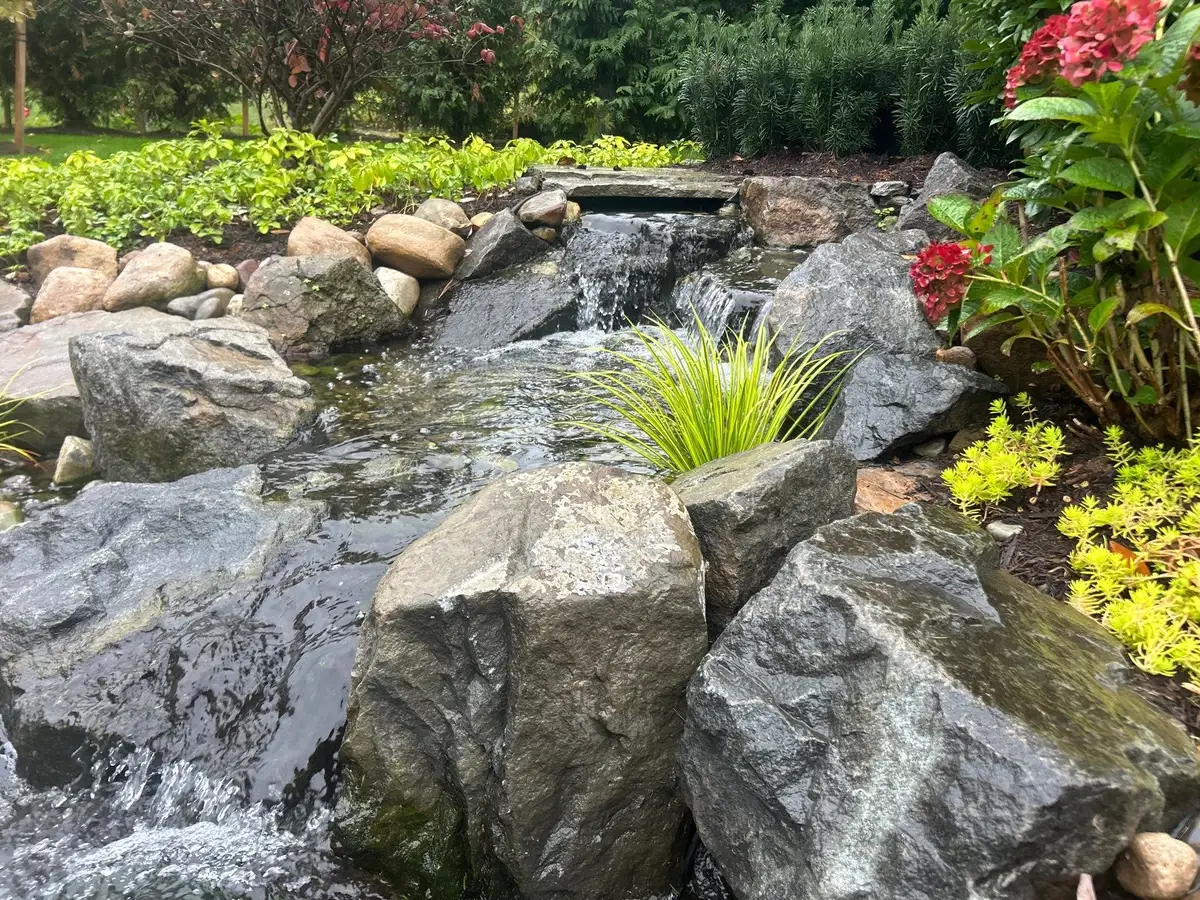
Natural water feature with cascading waterfalls and clear water

Natural Swim Pond FAQ

Yes. When properly designed and maintained, natural swim pond water meets or exceeds recreational water quality standards. The biological filtration system controls harmful bacteria and algae through nutrient competition and UV treatment. Rock Water Ponds builds every swim pond with commercial pool-equivalent safety engineering including proper electrical bonding, GFCI protection, and water quality monitoring capabilities.

Natural swim pond construction costs vary significantly based on size, filtration complexity, and site conditions. They typically cost more than a conventional pool of equivalent size due to the regeneration zone, specialized filtration, and safety engineering required. However, long-term operating costs are lower because you're not buying chemicals or replacing chemically degraded equipment. Contact us for a project-specific consultation and estimate.

Swimming season in Delaware typically runs from late May through September, depending on weather. Natural swim ponds warm up slightly slower than conventional pools in spring but retain heat better through the season due to their greater depth and thermal mass. During winter, the swim pond operates as a beautiful water garden. Some owners add waterfall features that run year-round for visual enjoyment.

Natural swim ponds require regular professional maintenance during the swimming season: water quality testing, plant management, filter cleaning, and debris removal. Off-season care includes fall netting, winter shutdown, and spring startup. A Platinum Maintenance Membership covers all of this with weekly visits and the ClearWater Guarantee.

No. Mosquitoes breed in stagnant water. Natural swim ponds feature continuous circulation through the filtration system, which prevents mosquitoes from laying eggs. Moving water is unattractive to mosquitoes. Additionally, the ecosystem attracts dragonflies, which are voracious mosquito predators. Properly designed swim ponds actually reduce mosquito populations compared to properties without water features.

Ready to Swim in Nature?

Natural swim ponds are the future of backyard swimming. Schedule your consultation and discover what's possible on your property. Serving Delaware and SE Pennsylvania.

Call Now Get a Quote